







Ο Τζόσεφ Στίγκλιτς κι ο “ανώμαλος καπιταλισμός”
Στίγκλιτς : "Η Γερμανία οδηγεί την Ευρώπη σε τρίτο ολοκαυτωμα μέσα σε 101 χρόνια", "Ο Βαρουφάκης ειναι ένας καλός οικονομολόγος", " Σόιμπλε……επιτρέψτε μου να μην σχολιάσω"! και άλλα πολλά απο έναν μαίτρ του είδους
Περιεχόμενα
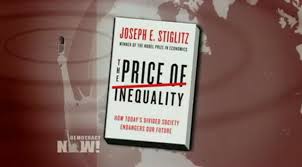
The Price of Inequality: How Today`s Divided Society Endangers Our Future.

Το τίμημα της ανισότητας
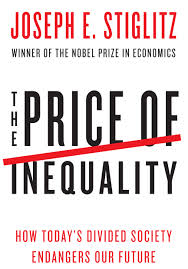
A forceful argument against America`s vicious circle of growing inequality by the Nobel Prize–winning economist.
America currently has the most inequality, and the least equality of opportunity, among the advanced countries. While market forces play a role in this stark picture, politics has shaped those market forces. In this best-selling book, Nobel Prize–winning economist Joseph E. Stiglitz exposes the efforts of well-heeled interests to compound their wealth in ways that have stifled true, dynamic capitalism. Along the way he examines the effect of inequality on our economy, our democracy, and our system of justice. Stiglitz explains how inequality affects and is affected by every aspect of national policy, and with characteristic insight he offers a vision for a more just and prosperous future, supported by a concrete program to achieve that vision.
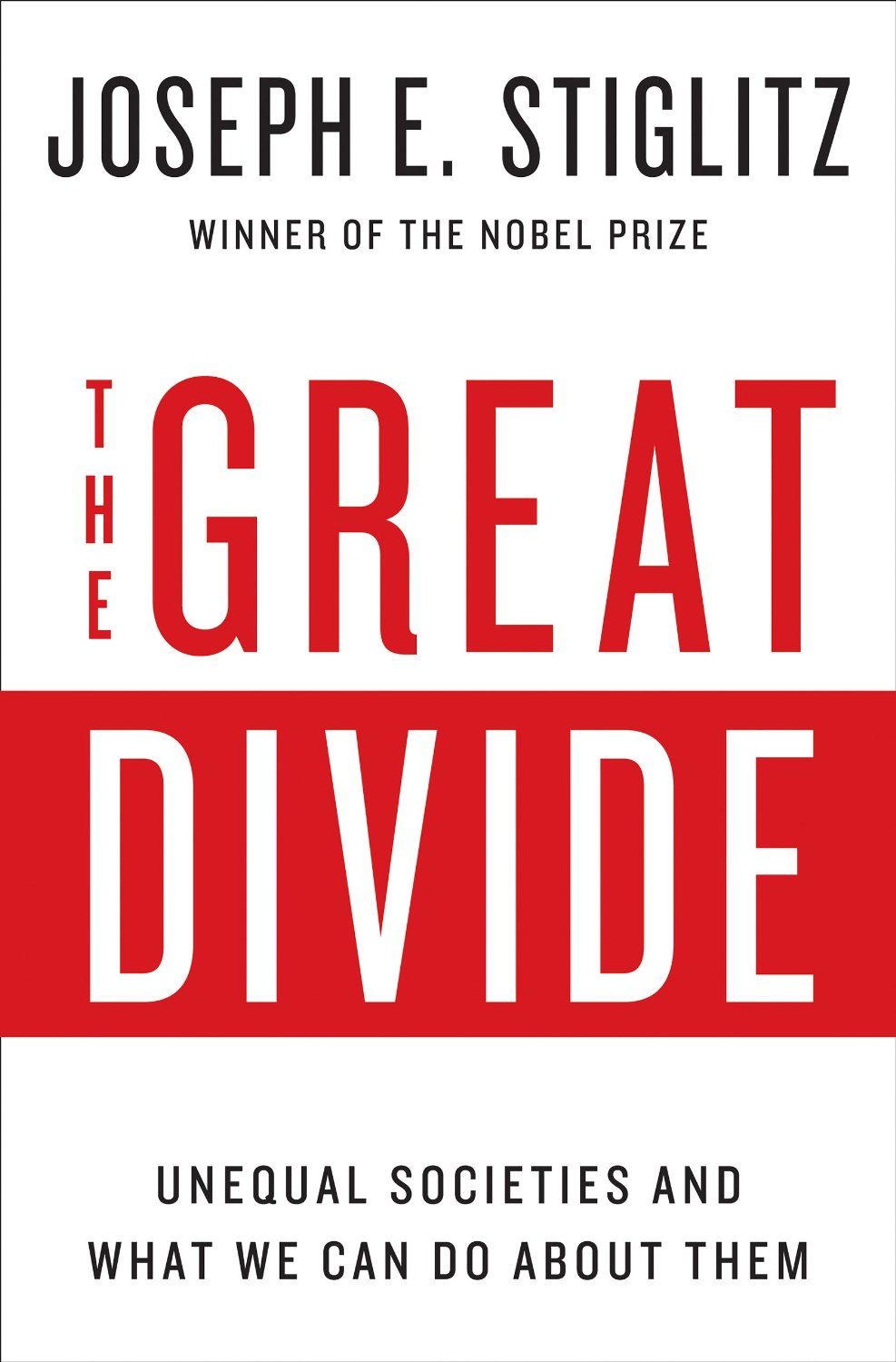
How has America become the most unequal advanced country in the world, and what can we do about it?
In The Great Divide, Joseph E. Stiglitz expands on the diagnosis he offered in his best-selling bookThe Price of Inequality and suggests ways to counter America’s growing problem. With his signature blend of clarity and passion, Stiglitz argues that inequality is a choice―the cumulative result of unjust policies and misguided priorities.
Gathering his writings for popular outlets including Vanity Fair and the New York Times, Stiglitz exposes in full America`s inequality: its dimensions, its causes, and its consequences for the nation and for the world. From Reagan-era to the Great Recession and its long aftermath, Stiglitz delves into the irresponsible policies―deregulation, tax cuts, and tax breaks for the 1 percent―that are leaving many Americans farther and farther beyond and turning the American dream into an ever more unachievable myth. With formidable yet accessible economic insight, he urges us to embrace real solutions: increasing taxes on corporations and the wealthy; offering more help to the children of the poor; investing in education, science, and infrastructure; helping out homeowners instead of banks; and, most importantly, doing more to restore the economy to full employment. Stiglitz also draws lessons from Scandinavia, Singapore, and Japan, and he argues against the tide of unnecessary, destructive austerity that is sweeping across Europe.
Ultimately, Stiglitz believes our choice is not between growth and fairness; with the right policies, we can choose both. His complaint is not so much about capitalism as such, but how twenty-first-century capitalism has been perverted. His is a call to confront America`s economic inequality as the political and moral issue that it is. If we reinvest in people and pursue the other policies that he describes, America can live up to the shared dream of a more prosperous, more equal society.